Wine Glass in Hand Clipart Vector Embroidery Review
As a designer who spends half my life staring at stitch charts and the other half trying to convince clients that embroidery isn’t just for towels anymore, I approach every new machine embroidery design with a healthy dose of skepticism. We have all seen clipart that looks charming on a screen but turns into a muddy, unrecognizable blob once it hits the hoop. That is why I decided to put Wine Glass in Hand Clipart Vector through its paces before recommending it for any real-world project.
This isn’t just another generic graphic; it falls squarely into the Illustrations category, specifically under Graphics, which suggests a vector-based origin that translates well into digital formats. But does it translate well into thread? Let’s break down how this design performs when we move from the computer screen to the sewing machine, focusing on practical application for Etsy sellers, boutique owners, and serious hobbyists.
The First Impression: Mood and Visual Personality
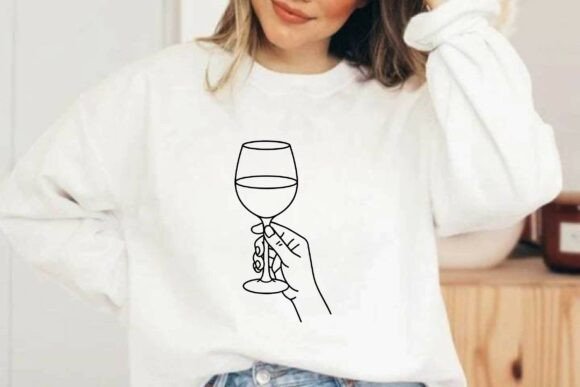
When you first load Wine Glass in Hand Clipart Vector into your digitizing software, the immediate takeaway is its versatility. The subject matter—a wine glass held in hand—is inherently social, celebratory, and relaxed. It carries a mood that is perfect for modern lifestyle branding. Unlike rigid geometric patterns or overly complex floral arrangements, this design feels accessible. It speaks to the "wine night" crowd, the bridal party organizer, and the hostess gift giver simultaneously.
Visually, the shape is clean. For an embroidery file derived from a vector clipart, the lines are crisp enough to suggest elegance without demanding impossible precision from your machine. The visual personality is light and airy, which means it doesn’t overwhelm the fabric. This is crucial because heavy designs can make lightweight fabrics like linen or thin cotton feel stiff and uncomfortable. Here, the design maintains a delicate balance between presence and subtlety.
Real-World Application: Where This Design Shines
I’ve been thinking about where Wine Glass in Hand Clipart Vector would actually sell. If I were running a small shop on Etsy or preparing inventory for a craft fair, this design would be a workhorse for several specific product categories.
- Custom Apparel and Sweatshirts: Imagine a cozy, oversized sweatshirt embroidered with this motif on the left chest or centered on the back. It fits perfectly into the current trend of casual, statement-making loungewear. The theme resonates with people who value relaxation and social connection.
- Tote Bag Designs: A canvas tote bag featuring this embroidery project is a classic combination. The sturdy fabric can handle the texture of the stitches well, and the image is instantly recognizable. It’s a great accessory for grocery runs, beach days, or carrying books.
- Kitchen and Home Decor: Tea towels, aprons, and kitchen towels are natural homes for this design. The imagery ties directly into cooking, entertaining, and dining. For a boutique owner, these items make excellent low-cost entry points for customers to try their brand.
- Personalized Gifts: Whether it’s a baby shower gift (perhaps a onesie with a playful twist) or a holiday gift for a friend, this design has high giftability. It feels personal yet universally appealing.
In terms of brand consistency, this design works well for businesses that want to project a friendly, welcoming, and slightly sophisticated vibe. It’s not too formal, but it’s not sloppy either. It strikes that sweet spot that encourages customer trust and engagement.
Technical Performance and Stitch Clarity
When evaluating any digital embroidery file, I look closely at how the different stitch types interact. While the source is a vector graphic, the final output relies on how the digitizer interpreted the shapes. Typically, a design like this will utilize a mix of satin stitch for outlines and fill stitch for solid areas, possibly with some running stitch for fine details if the original vector allows.
The key here is stitch density. If the density is too high, the fabric will pucker, especially on lighter materials. If it’s too low, the underlying fabric might show through, making the design look cheap. From what I can see, Wine Glass in Hand Clipart Vector seems to maintain a moderate density that should hold up well on medium-weight fabrics like denim, twill, or standard cotton blends. However, always check the thread colors you plan to use. High contrast between the thread and the fabric is essential for clarity. On dark fabrics, you’ll need a good underlay or backing to prevent the thread from looking lost or grainy.
Critical Considerations and Where to Be Careful
No design is perfect for every situation. As an experienced reviewer, I need to point out where Wine Glass in Hand Clipart Vector might struggle. You should be cautious when attempting this on:
- Small Hoop Sizes: If the design is scaled down too much, fine details may disappear. Tiny curves can become jagged, and thin lines might merge together. Always test at the actual size you intend to produce.
- Textured or Stretchy Fabrics: Knits, jerseys, and heavily textured wools can distort the shape of the embroidery. The tension might pull the fabric unevenly, warping the wine glass shape. Use a proper stabilizer—cut-away for knits, tear-away for wovens—to mitigate this.
- Curved Surfaces: While caps and hats are popular products, embroidering a flat vector design onto a curved surface requires careful placement. The perspective shift can make the glass look distorted if not aligned correctly.
- Dense Stitch Areas: Avoid placing this design next to other dense patches or large blocks of text. It needs breathing room to stand out.
Practical Designer Notes for Success
Before you rush to produce hundreds of units for your craft business, follow these steps to ensure quality:
- Test on Scrap Fabric: Never assume a design will work on your final material. Stitch it out on a scrap piece of the same fabric type to check for puckering, thread breaks, or color clashes.
- Check in Black and White: Convert your design mockup to grayscale. This helps you assess the contrast and visual weight without being distracted by color choices.
- Inspect Small Details: Zoom in on the finest lines of the vector. Are they thick enough to be stitched clearly? If they are too thin, consider simplifying the design in your digitizing software.
- Confirm Licensing: Since this is a digital product sold as a ZIP folder, verify the commercial use rights. Can you sell finished products made with this design? Do you need a separate license for each item? This is critical for commercial embroidery projects to avoid legal issues.
- Use Proper Stabilizer: The right stabilizer makes the difference between a professional finish and a amateur one. Match the stabilizer to the fabric weight and stretch.
Final Verdict
Wine Glass in Hand Clipart Vector is a solid addition to any designer’s library. It offers a blend of aesthetic appeal and practical utility that suits a wide range of handmade products. From custom apparel to embroidered patches and personalized gifts, this design has the potential to elevate your offerings. It creates a sense of warmth and celebration that customers respond to positively.
However, success lies in the execution. Pay attention to fabric choice, stabilizer usage, and thread selection. By treating this design asset with the care it deserves, you can create a finished product that not only looks great but also stands up to wear and washing. For small shop owners and creative entrepreneurs, this is a reliable tool to expand your catalog with items that feel both trendy and timeless.