Vintage Frame Clipart Vector Design Review
As a designer who spends more time looking at stitch lines than actual fabric, I have developed a fairly strict filter for digital assets. The market is flooded with vector packs that look beautiful on screen but fall apart under the needle. When I first pulled up Vintage Frame Clipart Vector Design, my initial instinct was to check the complexity of the curves and the potential for thread breaks. This is not just another generic clipart file; it carries a specific visual weight that suggests it was built with intention. For those of us in the craft business or running a boutique Etsy seller shop, knowing whether a design will translate from a screen to a finished product is the difference between a happy customer and a refund request.
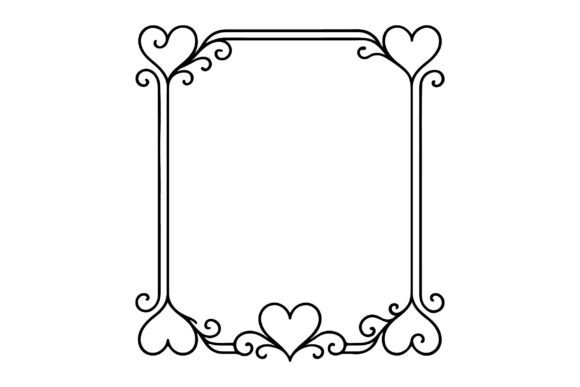
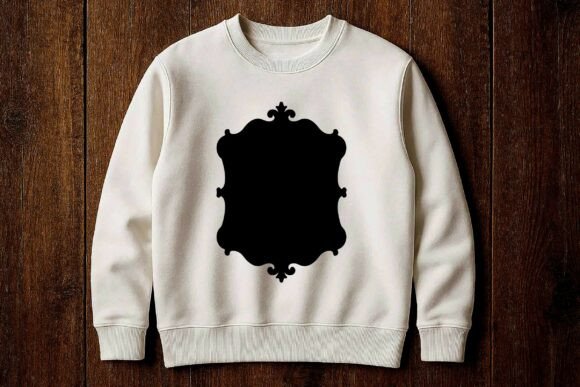
The immediate mood this asset creates is one of nostalgic elegance. It feels like something you might find pressed inside an old letter or hanging above a mantelpiece. The shape is distinct, offering a classic border aesthetic that frames content rather than dominating it. In terms of design assets, this falls squarely into the Illustrations and Graphics categories, but its utility extends far beyond simple decoration. It has the structural integrity to serve as a central focal point for larger projects or as a subtle framing element for text-heavy items. The detail level is high enough to suggest quality but balanced in a way that prevents it from becoming muddy when digitized for stitching.
Real-World Application: From Screen to Stitch
To truly understand the value of Vintage Frame Clipart Vector Design, we need to move past the digital preview and imagine it in a physical context. Let’s look at a specific scenario: preparing a custom embroidered tote bag for a local artisan market. You want something that screams "handmade" but looks professional enough to justify a higher price point. A plain canvas bag is a blank slate, but adding a vintage frame motif immediately elevates the perceived value. It suggests curation and care.
When I visualize this tote bag design, I see the frame acting as a container for a personalized name or a small logo in the center. This is where the embroidery project shines. The negative space within the frame allows for clean typography, while the ornate edges provide texture and interest without overwhelming the wearer. Alternatively, this could work beautifully on a sweatshirt embroidery piece, perhaps placed over the heart or centered on the back, framing a meaningful quote. The versatility here is key. It is not limited to one type of garment or accessory.
I also see strong potential in the nursery decor and baby item sector. A soft, vintage frame stitched onto a receiving blanket or a muslin burp cloth adds a touch of timeless charm. Parents are often looking for gifts that feel heirloom-quality, and this personalized gift option hits that mark perfectly. The design does not feel trendy or fleeting; it feels permanent, which aligns with the durability expectations of handmade products meant to last. Furthermore, for holiday gifts, this aesthetic fits seamlessly into autumn and winter themes, making it a year-round seller if marketed correctly.
Technical Considerations and Fabric Interactions
However, no design is perfect, and Vintage Frame Clipart Vector Design comes with specific considerations that every embroiderer must respect. The primary challenge with any frame-based vector is how it interacts with different fabric textures. If you attempt to stitch this on a highly textured fabric, such as a chunky knit or a heavy denim, the fine details of the frame may get lost. The thread will struggle to define the intricate corners, resulting in a blurry appearance that lacks the crispness seen in the digital file. In these cases, a smoother cotton or linen blend is preferable to ensure the stitch density translates clearly.
Another critical factor is hoop size. While the design is versatile, attempting to fit it into a very small hoop can compromise the integrity of the outermost decorative elements. You want enough room for the machine to execute the satin stitch along the borders without crowding. If the design is too large for your intended garment, such as a standard baseball cap, you may need to resize it significantly. Be cautious here; resizing down too much can cause the running stitch details to merge, creating a solid blob rather than a delicate line. Always inspect small details after resizing to ensure they remain distinct.
Fabric color also plays a massive role in the final outcome. On dark fabrics, the contrast needs to be sharp. If the frame is designed with thin lines, using a thread color that is too close to the fabric background will make the design disappear. Conversely, on light fabrics, you have more freedom, but you must watch out for thread sheen. Some metallic or shiny threads can reflect light in a way that distorts the vintage aesthetic, making it look modern rather than classic. Testing thread colors on scrap fabric is non-negotiable. You need to see how the light interacts with the material before committing to the final piece.
Stabilizer and Execution Notes
Proper stabilization is perhaps the most overlooked aspect of achieving a professional finish. Because Vintage Frame Clipart Vector Design likely involves a mix of fill stitch areas and detailed outlines, it requires a stable base to prevent puckering. Using the wrong stabilizer can cause the frame to warp, ruining the symmetry that makes the design appealing. For stretchy fabrics, a cut-away stabilizer is usually necessary to maintain structure over time. For woven fabrics, a tear-away might suffice, but you must test the removal process to ensure no residue is left behind.
It is also worth considering the end use of the finished product. If this is for a commercial embroidery item that will undergo frequent washing, such as a kitchen towel or an apron, the longevity of the stitches matters. Dense areas of the frame should be checked for potential wear. Overly dense stitching can lead to thread breakage or fabric distortion after multiple laundry cycles. Ensuring that the machine embroidery design is optimized for durability will protect your reputation as a maker. Customers expect handmade goods to hold up, and a frayed or pucker-prone design undermines that trust.
Brand Consistency and Customer Perception
From a branding perspective, using a cohesive set of design assets helps establish recognition. If you are building a brand around vintage aesthetics, incorporating Vintage Frame Clipart Vector Design into your small shop product line creates a unified look. Whether it appears on packaging tags, printable mockups, or the actual embroidered items, consistency reinforces professionalism. Buyers can instantly identify your work, which is invaluable in a crowded marketplace like Etsy.
This design also enhances the "giftability" of your products. A well-executed framed design looks intentional and thoughtful. It suggests that the creator put effort into selecting the right visual language for the recipient. This emotional connection drives engagement and repeat purchases. When customers see a finished product that matches the quality of the digital preview, their confidence in your brand grows. They are more likely to leave positive reviews and recommend your custom apparel services to others.
Before diving into production, I strongly advise reviewing the licensing terms associated with this digital embroidery file. Ensure you have the rights to sell finished items if that is your goal. Some vectors are for personal use only, and violating these terms can have serious legal consequences. Additionally, create black-and-white mockups to test the silhouette of the frame. Sometimes, color masks structural issues that become obvious when viewed in grayscale. This simple step can save you hours of re-digitizing or re-stitching later.
In conclusion, Vintage Frame Clipart Vector Design is a robust tool for designers seeking to add a touch of classic elegance to their work. It performs well across a variety of mediums, from embroidered patches to home decor, provided that technical precautions are taken regarding fabric choice, stabilization, and stitch planning. It is not a plug-and-forget solution, but rather a high-quality foundation that rewards careful execution. For the experienced maker willing to invest the time in testing and refinement, this design offers significant potential for creating memorable, high-value handmade products.