Vintage Headphone Clipart Vector Design Review
As a designer who spends half my life staring at stitch density charts and the other half worrying about whether a customer will actually wear the shirt they just bought, I approach every new embroidery file with a healthy dose of skepticism. We have all seen the endless streams of generic clip art that look fine on a screen but fall apart under the needle. That is why when I encountered the Vintage Headphone Clipart Vector Design, I decided to put it through its paces. This isn’t just another decorative element; it is a potential anchor for a brand identity or a standout piece on a handmade product.
This review focuses on practical application. If you are an Etsy seller, a small shop product creator, or a hobbyist looking to elevate your craft business, you need to know if this design holds up in the real world. Below is my honest assessment of how this Illustrations category asset performs as a Graphics resource for tangible goods.
First Impressions: Mood and Visual Personality
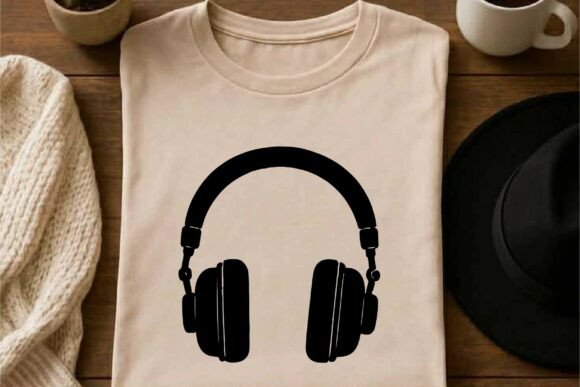
The moment you import this vector into your digitizing software, the aesthetic speaks for itself. The term "vintage" can sometimes mean cluttered or dated, but here it implies a specific nostalgia that resonates well with current trends. The shape and layout suggest a retro audio theme, which naturally lends itself to themes of music, relaxation, creativity, and analog warmth.
From a design assets perspective, the visual personality is distinct. It does not scream for attention like a neon graphic; instead, it offers a quiet confidence. For an embroidery project, this subtlety is crucial. Embroidery lacks the sharp pixel-perfect edges of print-on-demand, so designs with strong silhouettes and clear negative space perform best. This Vintage Headphone Clipart Vector Design appears to have a balanced composition that should translate well into thread. It feels like something you would see on a curated boutique shelf rather than a mass-produced discount item.
Real-World Application: Where Does It Fit?
I often ask myself, "What am I making?" before I start stitching. This design is incredibly versatile, but it shines brightest in specific categories. Let’s look at a few scenarios where this machine embroidery design truly excels.
- Custom Apparel and Sweatshirts: There is a growing market for cozy, nostalgic fashion. Placing this design on a heavyweight cotton sweatshirt creates an instant statement piece. It works beautifully as a left-chest logo or a larger back print. The vintage vibe pairs perfectly with muted earth tones, olive greens, or heather greys.
- Tote Bag Design: A canvas tote is the quintessential accessory for creatives. Using this as a central focal point on a sturdy canvas bag appeals to students, musicians, and book lovers. It adds a touch of personality without being overly loud.
- Personalized Gift Items: Think about baby items or nursery decor. While headphones might seem adult, a stylized vintage version can work surprisingly well in modern, minimalist nurseries or as a gift for a young music student. It also translates well to kitchen towels or aprons for the home cook who loves music.
- Embroidered Patch: Creating a detachable patch from this vector is a smart move. Patches allow customers to customize their own gear—jackets, backpacks, or hats. This gives the end-user agency and increases the perceived value of the finished product.
Technical Performance and Stitching Clarity
When evaluating any digital embroidery file, the devil is in the details. How does this design handle different stitch types? A successful design usually requires a mix of techniques to create depth and texture.
For the outer casing of the headphones, a satin stitch border would provide a clean, defined edge that prevents fraying and looks professional. Inside, a fill stitch could be used to add body, but care must be taken not to over-saturate the fabric. If the stitch density is too high, the fabric may pucker, especially on lighter materials. Conversely, using a running stitch for finer details, like the ear cup lines or brand logos (if included), can add a delicate, handcrafted feel that contrasts nicely with the heavier fills.
Thread colors play a massive role here. Vintage aesthetics often rely on muted palettes—mustard yellows, burnt oranges, faded blues, or classic black and white. Choosing the right thread colors is essential to maintaining the retro mood. If you use bright, synthetic neons, you risk losing the vintage charm entirely.
Where to Exercise Caution
No design is perfect for every surface. There are several situations where you should test this embroidery project carefully before committing to a final piece.
- Small Hoop Sizes: If you attempt to digitize this down to a very small size (under 2 inches), fine details may disappear or merge together. Ensure your hoop size allows for adequate spacing between elements.
- Textured and Stretchy Fabrics: Avoid placing dense embroidery on ribbed knits, heavy denim, or highly textured bouclé fabrics unless you are an expert stabilizer user. These surfaces can distort the design, making the headphones look warped.
- Curved Surfaces: While caps and hats are popular, embroidering a flat vector design on a curved brim or crown can be tricky. You may need to adjust the digitization to account for curvature, or place the design on a flat panel.
- Dense Stitch Areas: Be mindful of areas where stitches overlap heavily. On thin fabrics, this can lead to stiffness and discomfort. Always check the backing stability.
Impact on Brand and Customer Trust
In the world of commercial embroidery and handmade products, presentation is everything. A well-executed design signals professionalism. When a buyer sees crisp lines, consistent tension, and thoughtful placement, they trust the maker more. This Vintage Headphone Clipart Vector Design, when stitched correctly, elevates the perceived value of your merchandise.
It helps build brand consistency. If you are building a shop around music, listening, or retro culture, having a signature motif like this creates recognition. It becomes part of your visual language. Furthermore, because it is a printable mockup friendly asset, you can showcase these designs digitally before you even cut the thread, allowing you to gauge interest and refine your offerings.
Practical Designer Notes for Success
Before you rush to produce inventory, follow these steps to ensure quality:
- Test on Scrap Fabric: Never skip this step. Test the design on the exact fabric type you plan to sell. Check how the fabric texture interacts with the thread.
- Check Contrast: View your design in black and white mockups. Does the silhouette remain clear? Is there enough contrast between the thread and the background?
- Inspect Small Details: Zoom in on the digitized version. Are tiny lines too thin? Will they break during washing?
- Confirm Licensing: As a digital product, licensing terms vary. Even though this is described as a unique design, always verify if you have commercial rights to sell finished items made from it. This protects your craft business from legal issues.
- Use Proper Stabilizer: The right stabilizer makes the difference between a puckered mess and a smooth finish. Choose based on your fabric weight.
In conclusion, the Vintage Headphone Clipart Vector Design is a strong candidate for designers looking to add a touch of nostalgia to their portfolio. It balances aesthetic appeal with technical feasibility, provided it is handled with respect for the medium. Whether you are creating a one-off personalized gift or scaling up for a holiday season rush, this design has the potential to become a staple in your collection of design assets. Just remember: good embroidery is about preparation, precision, and a keen eye for detail.