Panda SVG PNG Clipart Vector Sublimation
As a designer who spends half her life in front of a screen and the other half troubleshooting thread jams on an embroidery machine, I approach every new digital asset with a healthy dose of skepticism. The market is flooded with clipart that looks charming in a thumbnail but falls apart under the needle. Today, I’m evaluating Panda SVG PNG Clipart Vector Sublimation, a design marketed toward both sublimation and embroidery workflows. My goal here isn’t just to tell you what it is, but to walk you through how it performs when translated into a physical handmade product. Whether you are an Etsy seller looking for your next bestseller or a hobbyist making a personalized gift, understanding the transition from vector file to stitched fabric is critical.
First Impressions: Mood and Visual Personality
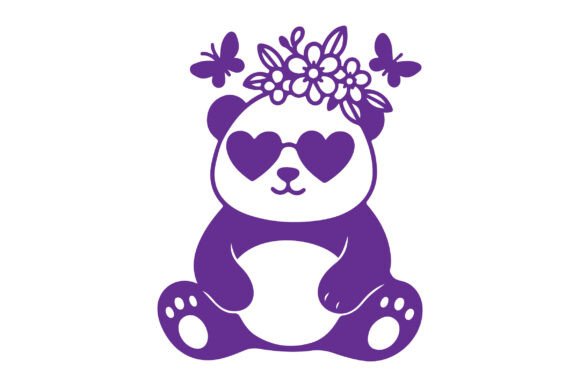
The moment you open the ZIP folder containing this digital embroidery file, the first thing you notice is the clarity of the lines. Pandas are a perennial favorite in the craft world, often associated with cuteness, calmness, and universal appeal. This specific Illustrations Graphics asset leans into that emotional connection without becoming overly saccharine. The shape feels balanced, which is the most important factor when planning the layout for a tote bag design or a sweatshirt embroidery project.
From a design perspective, the visual personality is versatile. It doesn’t scream "loud graphic tee"; instead, it whispers "cozy boutique item." This makes it ideal for nursery decor, baby clothes, and gentle home goods. When I look at the negative space within the panda’s features, I can already see how those areas might translate into different stitch types. There is enough detail to feel premium, but not so much clutter that it risks muddying up on smaller hoops. For a small shop product, this balance is exactly what drives customer trust—buyers want items that look professionally made, not rushed.
Real-World Application: From Screen to Stitch
Let’s talk about real use cases. I recently imagined using this Panda SVG PNG Clipart Vector Sublimation for a custom embroidered patch intended for a denim jacket. Here is how the design holds up in that scenario.
When digitizing or preparing this file for stitching, the bold outlines suggest a strong foundation for a applique design technique. If you are running a craft business where speed matters, applique can be a game-changer. You could layer a white felt base with black details, using a satin stitch around the perimeter to secure it. This reduces the total stitch count significantly compared to a full fill-stitch approach, saving time on large production runs while maintaining a high-quality finish.
Alternatively, if you are aiming for a softer, more textured look, this design works beautifully as a standard machine embroidery design. Imagine placing it centered on a cream-colored canvas tote bag. The contrast between dark threads and light fabric will make the panda pop. However, you must consider the thread colors carefully. A pure black thread might feel too harsh against a pastel background. Opting for a charcoal or deep navy can soften the look, making the finished product feel more artisanal and less like mass-produced merchandise.
I also see this design fitting seamlessly into the holiday embroidery category. A small panda on a red or green tea towel creates an instant giftable item. Because pandas are universally liked, they cross demographic boundaries, appealing to children and adults alike. This broad appeal is crucial for commercial embroidery projects where you need products that sell year-round, not just during peak seasons.
Where Caution Is Required
No design is perfect for every surface. While Panda SVG PNG Clipart Vector Sublimation is robust, there are specific situations where you should exercise caution.
- Small Hoop Sizes: If you attempt to stitch this on a very small hoop (under 4x4 inches), fine details may become indistinguishable. The eye cannot resolve tiny stitches from a distance. Test the hoop size compatibility before committing to a small accessory like a hair scrunchie.
- Textured Fabrics: Avoid using this design on heavy bouclé or rough linen. The fabric texture will interfere with the stitch density, causing the needle to deflect and resulting in misaligned stitches. Smooth cottons, poly-cotton blends, and stable knits are far superior choices.
- Stretchy Fabrics: Embroidering on thin, stretchy jersey without proper stabilization is a recipe for puckering. If you are working on custom apparel like t-shirts, ensure you use a tear-away or cut-away stabilizer to keep the embroidery project flat and professional.
- Dense Stitch Areas: If the design includes solid fill areas, be mindful of fabric transparency. On light fabrics, dense dark stitching can show through to the other side, which might be undesirable for garments worn close to the skin.
Impact on Brand and Customer Perception
In the world of online selling, your product images are everything. Using a clean, high-quality vector source like this allows you to create stunning printable mockups before you even buy the thread. You can place the panda on various backgrounds to test marketing angles. Does it look better on a rustic wood table? Or floating in a minimalist white space? These design assets give you the flexibility to curate your brand aesthetic consistently.
When customers receive a finished item, they are judging the craftsmanship. A well-executed embroidered patch or apron signals attention to detail. If the stitches are uneven or the alignment is off, it undermines the perceived value. By starting with a high-quality Graphics file and following proper digitization or stitching protocols, you protect your reputation. You are selling not just a panda, but a sense of quality and care.
Practical Designer Notes for Success
Before you rush to print or stitch, here is my checklist for integrating this design into your workflow:
- Test on Scrap Fabric: Never run a new design on your final product immediately. Use scrap pieces of the exact fabric you plan to sell. This reveals issues with tension, pull, or color contrast early.
- Check Contrast: View your design in black and white. If the shapes merge together, the color palette may lack sufficient contrast for clear recognition.
- Review Stitch Density: Ensure the running stitch and fill stitch combinations are balanced. Too much density leads to bulk; too little leads to visible fabric underneath.
- Confirm Licensing: As this is a DIGITAL product, verify the commercial use rights. Can you sell unlimited finished items? Are there restrictions on resale platforms? Clarity here prevents legal headaches later.
- Stabilizer Selection: Match your stabilizer to your fabric weight. Heavy fabrics need strong support; light fabrics need delicate removal options.
Ultimately, Panda SVG PNG Clipart Vector Sublimation is a solid addition to any creative entrepreneur’s library. It offers the versatility needed for diverse embroidery projects, from personal keepsakes to scalable craft business inventory. By treating it with the respect due to a professional design asset—testing thoroughly, choosing appropriate materials, and focusing on execution—you can turn this simple panda illustration into a standout piece in your finished product lineup.