Happy Dancing Penguin Clipart Silhouette Review
As a designer who spends more time staring at stitch lines than actual artwork, I approach every new asset with a healthy dose of skepticism. The market is flooded with "unique" designs that look great on screen but fall apart under the needle. Recently, I came across the Happy Dancing Penguin Clipart Silhouette, and while it arrives as a digital asset in a ZIP folder, my job is to determine if it holds up when translated into thread. This review isn't about the file delivery; it is about the practical application of this Illustrations category graphic when converted into a physical embroidery project.
First Impressions and Visual Personality
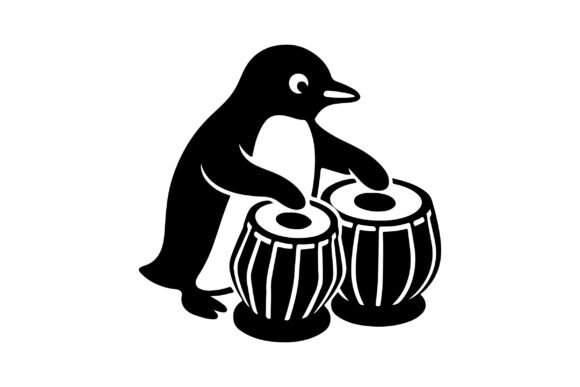
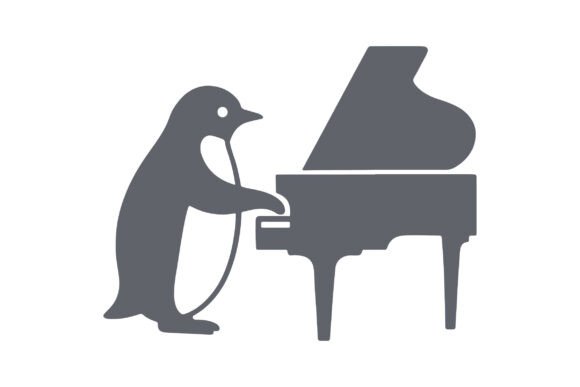
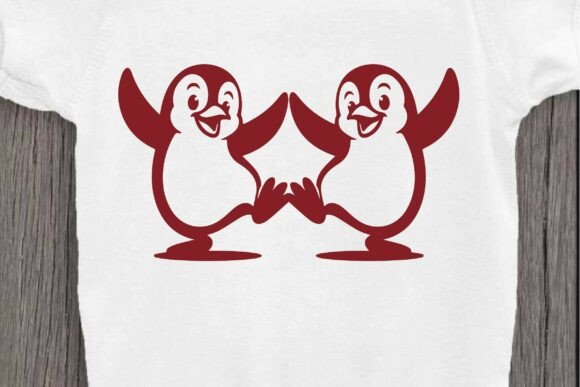
The moment you open the design file, the mood is immediately established. It is playful, energetic, and undeniably cheerful. The silhouette captures a specific moment of motion—dancing—which gives the character a dynamic personality rather than a static, stiff appearance. For an embroidery designer, the clean lines of a silhouette are both a blessing and a challenge. They offer high contrast and clear definition, which is excellent for beginners, but they require careful planning to avoid looking flat or overly simple.
The visual appeal lies in its simplicity. In a world of complex, multi-colored scenes, a bold silhouette stands out because it relies on shape rather than intricate detail. This makes it highly recognizable. When I imagine this on a finished product, it reads clearly from a distance. That is crucial for retail items where customers might only glance at a rack of goods. The penguin’s posture suggests fun and movement, making it an ideal candidate for products aimed at children, families, or anyone looking to inject a bit of joy into their wardrobe or home decor.
Real-World Application: From Screen to Stitch
Let’s talk about real use cases. I often test designs by imagining them on specific products before I even load them into my hoop. The Happy Dancing Penguin Clipart Silhouette feels particularly suited for custom apparel and accessories. Picture a soft, heather-gray sweatshirt embroidered on the chest. A single-color satin stitch outline filled with a contrasting fill stitch would create a striking, modern look. Alternatively, using it as an applique design could add texture and depth, turning a simple graphic into a tactile experience.
For small business owners and Etsy sellers, versatility is key. This design transitions easily from personal gifts to commercial merchandise. Imagine a set of matching kitchen towels featuring the dancing penguin alongside other whimsical characters. Or consider a boutique brand of baby clothes; the soft curves and friendly theme make it perfect for onesies, burp cloths, or nursery wall hangings. The design’s adaptability allows it to fit into various niches, from holiday-themed collections to year-round casual wear.
I also see potential in embroidered patches. The defined edges of the silhouette mean it can be cut out and applied to denim jackets, backpacks, or caps without losing its integrity. As a custom apparel element, it adds a personalized touch that mass-produced items lack. Customers value handmade presentation, and a well-executed embroidery of this penguin signals quality and attention to detail.
Technical Considerations and Potential Pitfalls
While the design has charm, not all fabrics and hoops are created equal. There are specific areas where caution is required. If you plan to embroider this on stretchy fabrics like jersey knit for t-shirts, you must use a proper stabilizer to prevent puckering. The motion implied in the design might exaggerate any fabric distortion if not stabilized correctly.
Small hoop sizes present another challenge. While silhouettes are generally forgiving, tiny details in the feet or flippers might get lost if the stitch density is too high or the resolution is too low. I always recommend testing the design on scrap fabric first. Check the thread color contrast carefully; a light gray penguin on a white shirt will disappear, whereas a navy blue on black offers sleek sophistication. Also, inspect the corners and curves. Smooth curves stitch beautifully, but sharp angles can sometimes result in thread breaks or uneven tension.
Avoid placing this design on textured fabrics like heavy wool or bouclé unless you have advanced skills. The texture can obscure the clean lines of the silhouette, making the penguin look muddy. Similarly, curved surfaces like baseball caps require precise digitizing to ensure the design lays flat. If the stitch density is too high, the fabric will pucker around the cap’s curve, ruining the professional finish.
Impact on Product Value and Brand Consistency
Using a high-quality digital embroidery file directly impacts customer trust. A sloppy stitch job can make a premium-priced item feel cheap. Conversely, a crisp, well-placed penguin reinforces brand consistency. If your shop specializes in cute, whimsical items, this design aligns perfectly with that aesthetic. It enhances buyer engagement because it evokes an emotional response—smiles and nostalgia. When customers see a finished product that looks professionally executed, they are more likely to leave positive reviews and return for future purchases.
Practical Designer Notes for Success
To get the best results from the Happy Dancing Penguin Clipart Silhouette, follow these practical steps:
- Test on Scrap Fabric: Always run a test stitch-out on the actual fabric you intend to use. This reveals issues with tension, stabilizer choice, and fabric behavior.
- Check Thread Colors: Experiment with different thread colors. Sometimes a two-tone approach works better than a solid fill to highlight the dancing pose.
- Review Stitch Density: Ensure the stitch density is appropriate for the fabric weight. Too dense, and you risk damaging thin materials; too sparse, and the fabric shows through.
- Confirm Hoop Size: Verify that the design fits comfortably within your standard hoop sizes to avoid awkward re-hooping or trimming.
- Inspect Small Details: Zoom in on the digital file. Are there tiny isolated stitches that might break? If so, consider simplifying the design in your software.
- Use Proper Stabilizer: Choose between cut-away or tear-away stabilizers based on the fabric type. Woven fabrics usually need tear-away, while knits require cut-away.
- Check Licensing: Before selling finished items, confirm the license terms. Some digital assets allow commercial use, while others are for personal projects only. This is critical for Etsy sellers and craft business owners.
- Black and White Mockups: View the design in grayscale to check contrast levels. This helps ensure the silhouette remains distinct regardless of color choices.
Final Verdict
The Happy Dancing Penguin Clipart Silhouette is a versatile, charming asset that brings immediate joy to any embroidery project. Its strength lies in its clarity and emotional resonance. Whether you are creating a personalized gift for a loved one or developing a line of small shop products for your online store, this design offers a solid foundation. It performs best on smooth, stable fabrics with careful attention to stabilization and thread selection. By following practical testing protocols and respecting the technical limitations of embroidery, you can transform this digital graphic into a stunning finished product that customers will love. Just remember, the magic happens in the execution, so take your time, test thoroughly, and let the penguin dance off the hoop.