Afro Chihuahua Clipart Vector Silhouette Review
As a designer who spends half my life staring at hoop sizes and the other half worrying about thread tension, I don’t just look for "cute" when I’m sourcing assets. I look for viability. I look for how a design will behave when it moves from a vector file on my screen to a physical product in a customer’s hands. That is exactly why I decided to put the Afro Chihuahua Clipart Vector Silhouette through its paces. This isn’t just another generic clipart download; it is a distinct graphic asset that demands specific consideration before it hits the embroidery machine.
The First Impression: Mood and Visual Personality
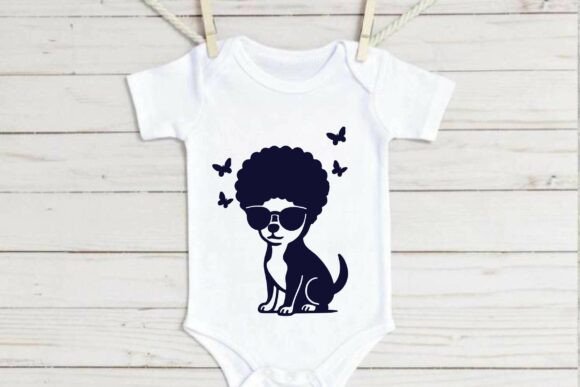
When you first open the ZIP folder containing this digital product, the immediate takeaway is confidence. The silhouette is bold. In the world of embroidery, especially when dealing with small breeds like Chihuahuas, detail can easily get lost or turn into a muddy mess if the original artwork is too intricate. This design, however, leans into the strength of the vector format. It creates a mood that is playful yet sharp. The afro shape provides a natural frame that draws the eye immediately to the face, which is crucial for character-driven designs.
For an Illustrations category item, this stands out because it prioritizes shape over shading. It feels modern, streetwear-adjacent, and undeniably fun. It doesn’t try to be a photorealistic portrait; it aims to be a statement. This clarity is exactly what makes it a strong candidate for custom apparel and boutique branding. It has a visual personality that says, "I know what I am," which translates well to products where you want the wearer to make a quick, positive impression.
Real-World Application: From Screen to Stitch
Let’s talk about where this design actually lives. I recently considered using this embroidery project for a line of custom tote bags aimed at dog lovers who appreciate unique art. The high-quality nature of the vector means that scaling is not an issue. Whether you are placing it on a large canvas tote or a smaller laptop sleeve, the lines remain crisp. However, the transition from digital to textile requires strategy.
This design shines brightest as a standalone focal point. Imagine it centered on a heavyweight cotton sweatshirt. The contrast between the fabric texture and the clean lines of the silhouette would create a premium feel. It works equally well as an embroidered patch for denim jackets or backpacks. Because it is a silhouette, it lends itself beautifully to applique techniques, where you might cut the shape out of contrasting felt or velvet and stitch it down. This adds dimension that flat stitching alone cannot achieve, elevating a simple handmade product into something that feels crafted and expensive.
I also see significant potential in the nursery and baby market. A soft, embroidered version of this Chihuahua on a muslin swaddle or a hooded towel could be a hit for baby showers. The theme is lighthearted, and the afro adds a touch of whimsy that parents often seek for personalized gifts. It bridges the gap between trendy graphic design and traditional heirloom quality.
Technical Considerations and Potential Pitfalls
No design is perfect without proper execution, and the Afro Chihuahua Clipart Vector Silhouette is no exception. There are specific scenarios where this design needs careful handling to avoid disappointing your customers.
First, consider the hoop size. While the vector scales, the physical limitations of your embroidery machine do not. If you attempt to embroider this on a very small area, such as the cuff of a shirt or a tiny pocket, you risk losing the definition of the afro’s texture. The negative space between the curls of the hair must be preserved. If the stitches are too dense, those details will merge. I strongly advise testing the design on scrap fabric first, specifically checking the stitch density in the hair area. You may need to adjust the underlay stitches to prevent the fabric from puckering, which is common with dense fill areas.
Fabric choice is equally critical. This design relies on contrast. On dark fabrics, you will need a light-colored thread or a white backing layer to ensure the silhouette pops. Conversely, on light fabrics, a black or dark navy thread will give it that classic graphic tee look. Avoid using this on highly textured fabrics like heavy boucle or loose-weave linen unless you are using a stabilizer that can fully support the fabric structure. Stretchy knits require a tear-away or cut-away stabilizer depending on the garment weight, but always test on a spare piece of the actual garment material to check for distortion.
Where to Use Caution
- Small Hoop Sizes: Avoid placing this design in hoops smaller than 4x4 inches unless you are simplifying the stitch pattern significantly.
- Curved Surfaces: Embroidering directly onto a curved cap front can distort the symmetry of the face. Consider creating the design flat, then applying it as a patch.
- Dense Stitch Areas: If the design includes heavy fill stitches in the afro, ensure your machine can handle the needle penetration without breaking thread.
- Frequent Washing: For items like aprons or kitchen towels that undergo rigorous washing, secure all edges thoroughly to prevent fraying of the satin stitches.
Impact on Brand Value and Customer Trust
In the competitive landscape of Etsy listings and craft fair booths, presentation is everything. Using a high-quality vector like this one signals professionalism. It tells the buyer that you care about the integrity of the image. When a customer receives a product where the embroidery matches the mockup perfectly, trust increases. They are more likely to leave a five-star review and recommend your shop.
This design also enhances the giftability of your products. It has a universal appeal that transcends specific trends. It is quirky enough to be interesting but clean enough to be wearable. For commercial embroidery businesses, this versatility allows you to target multiple niches simultaneously—from pet enthusiasts to fans of urban art styles—without needing a completely new design library for each demographic.
Practical Designer Notes for Success
To get the most out of the Afro Chihuahua Clipart Vector Silhouette, follow these practical steps before committing to production runs:
- Check Thread Color Contrast: Always compare your chosen thread colors against the fabric background. A low-contrast combination can make the design look muddy.
- Inspect Small Details: Zoom in on the vector file. Are there any tiny spikes or thin lines that might not stitch well? Simplify if necessary.
- Test in Black and White: Convert your mockup to grayscale. If the design loses impact here, it will likely struggle in color due to lack of tonal separation.
- Confirm Licensing: Before selling finished items, verify the license terms included in the digital package. Ensure you have commercial rights for the volume of products you plan to produce.
- Use Proper Stabilizer: Match your stabilizer to the fabric weight. Heavy stabilizers for light fabrics, and lighter stabilizers for heavy fabrics to prevent bulkiness.
Ultimately, the Afro Chihuahua Clipart Vector Silhouette is a versatile, high-impact asset for any designer’s toolkit. It offers a blend of charm and graphic strength that, when executed with technical precision, can result in beautiful, marketable products. By respecting the constraints of embroidery and focusing on contrast and stability, you can transform this digital graphic into a tangible piece of art that customers will love.